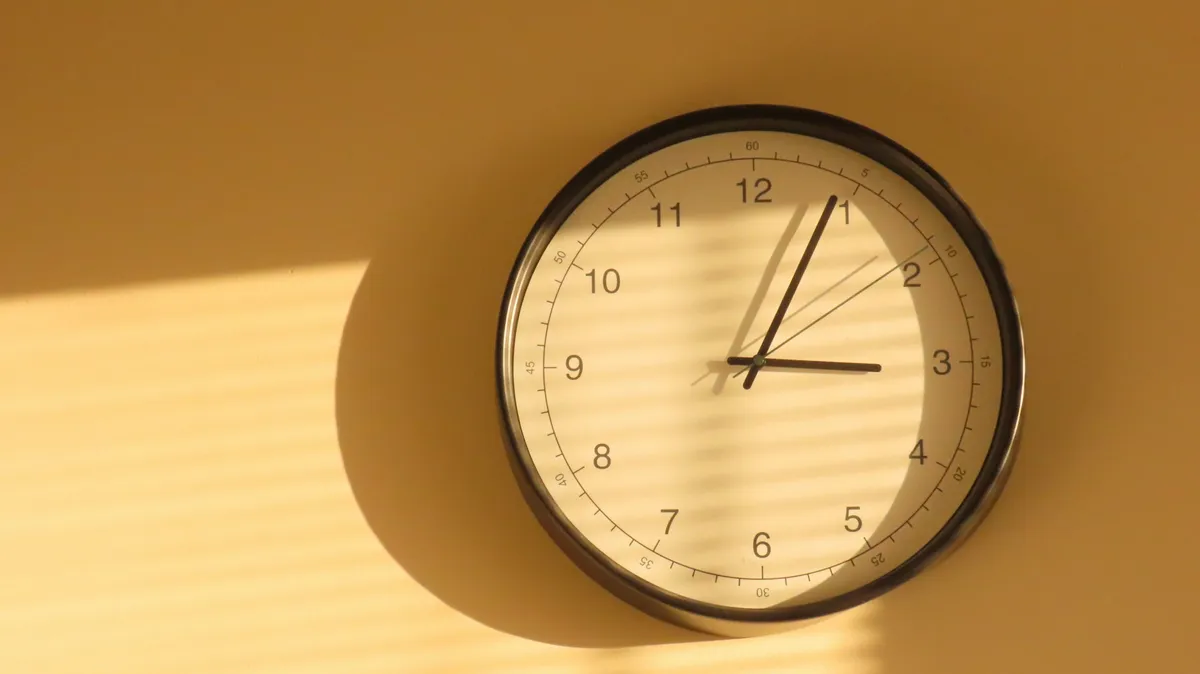
The Clock of Dignity Keeps Me Strong
Photo by Jianfeng Yang on Unsplash.
Everything about the day here is built around time. At the prison camp they serve breakfast at 6 a.m., lunch at 10:30 a.m., and dinner at 4:30 p.m., mostly, with some exceptions. They have work call, and scheduled activities.
Then there are the counts, which are specific times of the day when we lose our dignity through scheduled events that they plan. On weekdays we have to be in our unit, in the cell, for count at 4 p.m. and again at 10 p.m., standing up in complete silence, sort of like military attention. We are also in our cells for the counts at 12 a.m., 3 a.m. and 5 a.m. On weekends we do the standing count at 10 a.m. as well.
I am over sixty, and at my age I see a real danger in living this way. When they arrange so much of your day, it becomes easy to accept that they should decide nearly everything, from when you eat to how you spend your time. Little by little you can lose the ability and the initiative to decide for yourself when and how you will function through the day.
I follow the rules I am required to follow, but I did not want to get so used to this arrangement that I lost sight of the decisions I could still make for myself. So I learned that I could reclaim my dignity by deciding when I eat. I would never eat so many times at home, nor so early, and by adhering to their schedule I got lost. I rarely ate breakfast, if at all, and I did not eat lunch.
What really got to me was the waiting. I waited twenty to forty minutes at the door to be called for lunch, then eventually stood in line for chow, and by the time the meal was over I had lost about an hour and fifteen minutes.
Last October I decided that I would eat when I am hungry by using the food bought from commissary and food that some others may sell or make. This gave me additional hours of the day. It allowed time for my physical training and for my personal development.
Deciding when to eat was only the first of those decisions. Managing my training, my personal development, my teaching and mentoring, and my spiritual life was part of protecting my dignity and keeping hold of who I am. These were choices still available to me, and I chose to make them myself.
By sticking to the government's clock, I found that all one often does is play chess, watch TV, and sit around having conversations. In my experience that kind of activity makes time go by slowly and causes depression.
With a solid focus on improving myself, teaching others and working, I am able to maintain my dignity and mental strength, my spiritual growth and my physical development. In many ways I will go home healthier, and improved in every way for my family, and that cannot happen if I wait for the government to decide when to eat, sleep, use the bathroom, and have fun.
The end result is that I run three miles a day when I am able to get out there. I read daily, teach others and mentor many. My personal devotion to God is stronger than ever because I have time, make time and manage my time.
The idea here is to wait and they will tell you when and how to do everything. I believe that if you do that it is the beginning of the end for those who have already lived more than 50 years.
Sources
Personal Choice and Well-Being in Later Life
Psych J
https://pubmed.ncbi.nlm.nih.gov/31177644/
Physical Activity
World Health Organization
https://www.who.int/news-room/fact-sheets/detail/physical-activity


